AI Autonomous Inspection Solution for Underground Pipeline Infrastructure
Project Background
Across the United States, aging underground water infrastructure has become a growing challenge for municipalities seeking to modernize critical assets while minimizing disruption to surrounding communities.
During the rehabilitation of a municipal water transmission pipeline in Dallas, Texas, a Pipe In Pipe (PIP) construction method was adopted to renew aging underground infrastructure. Rather than replacing the original pipeline through large scale excavation, a new steel pipeline was installed inside the existing pipeline, significantly reducing construction time, traffic disruption and environmental impact.
Following installation, project stakeholders required a comprehensive inspection of the entire internal pipeline to verify coating quality, weld integrity and overall construction compliance before commissioning.
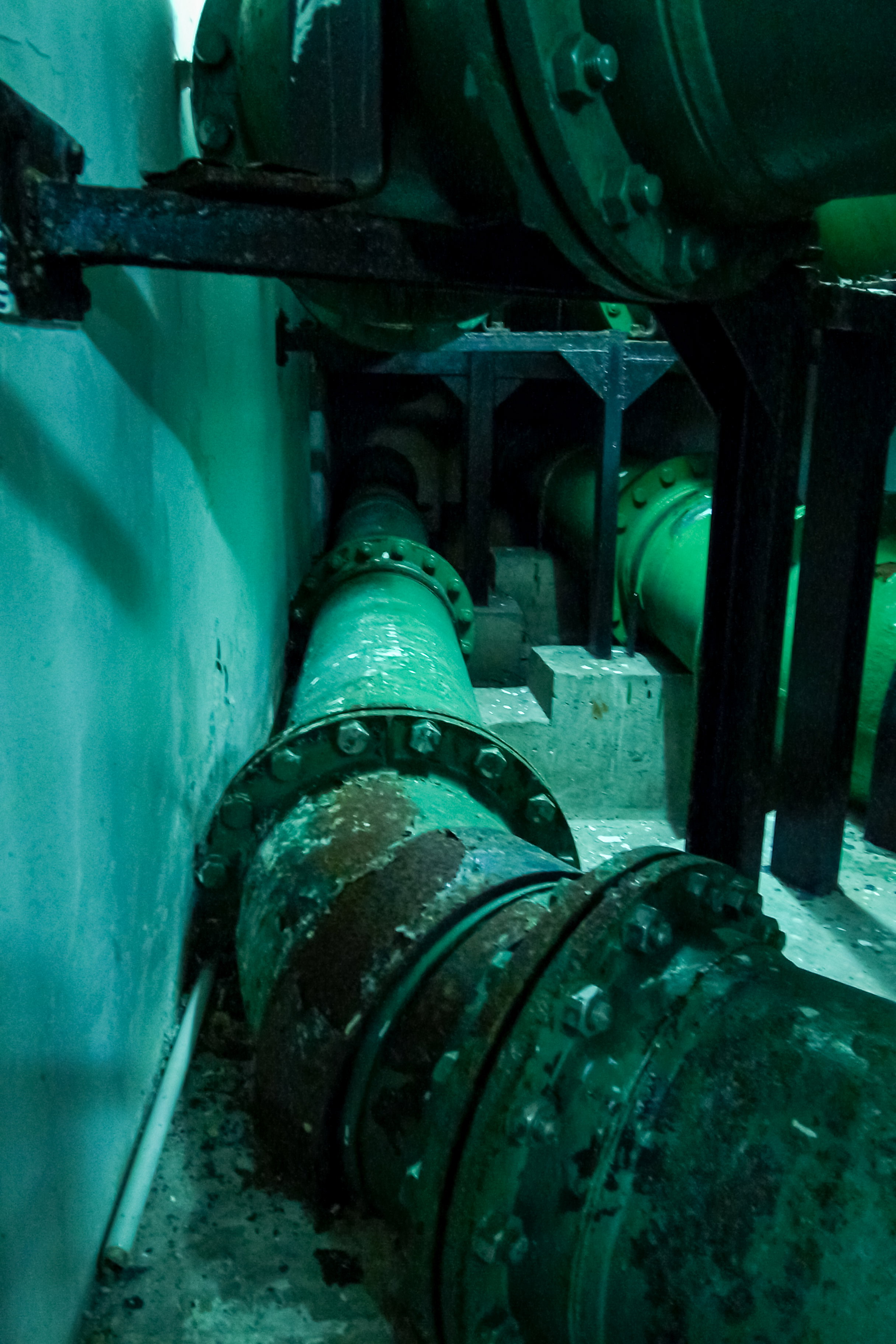
Conventional inspection methods relied heavily on manual confined space entry, creating safety risks, inconsistent documentation and extended project schedules.
To address these challenges, Geheros Matrix deployed its AI Autonomous Inspection Solution, integrating intelligent robotics, autonomous aerial systems and an AI driven inspection platform into a unified infrastructure intelligence workflow.
The Challenge
Pipeline inspection is far more than capturing images inside a confined space.
Inspection teams must continuously determine:
- Where to navigate
- How to maintain stable positioning
- How to avoid collisions
- Which areas require closer inspection
- How to organize thousands of inspection images
- How to provide traceable digital quality records
Traditional inspection methods depend heavily on operator experience, resulting in inconsistent inspection quality while exposing personnel to confined space environments.
The project required a solution capable of combining autonomous mobility with intelligent perception and centralized data analysis.
AI Autonomous Inspection Platform
Unlike conventional inspection systems that primarily focus on hardware, Geheros Matrix developed an integrated AI Autonomous Platform that serves as the intelligence layer behind autonomous inspection operations.
The platform combines multiple AI technologies, including:
- Computer Vision
- Autonomous Navigation
- Simultaneous Localization and Mapping (SLAM)
- Sensor Fusion
- Intelligent Path Planning
- Real Time Edge Computing
- AI Assisted Defect Analysis
- Cloud Based Inspection Management
Rather than treating the drone as the primary product, the autonomous drone functions as an intelligent sensing device connected to the AI platform.
Throughout the inspection mission, the platform continuously analyzes environmental conditions, optimizes navigation, monitors flight stability, processes inspection data and generates digital inspection records in real time.
Autonomous Inspection Execution
The AI platform autonomously managed inspection of approximately 300 meters of newly rehabilitated underground pipeline.Using real time environmental perception, the system navigated through narrow pipeline sections, elevation changes, curved segments and valve assemblies while maintaining stable flight inside confined spaces.Throughout the inspection process, the AI platform continuously coordinated:
- Autonomous flight control
- Environmental perception
- Obstacle avoidance
- Image synchronization
- Data quality monitoring
- Inspection progress tracking
Instead of generating isolated inspection photographs, the platform created a complete digital record covering the entire pipeline interior.This continuous inspection dataset significantly improved inspection traceability and provided a comprehensive digital baseline for future infrastructure management.
AI Driven Inspection Intelligence
Inspection is only the first stage.The greater value lies in transforming visual information into actionable engineering intelligence.Inspection data collected by the autonomous system is processed through the Geheros Matrix AI Autonomous Platform, where computer vision algorithms assist engineers in identifying:
- Coating inconsistencies
- Surface damage
- Weld conditions
- Structural anomalies
- Corrosion indicators
- Potential maintenance concerns
The unified platform allows engineering teams to review inspection results through a centralized digital interface, dramatically reducing manual analysis while improving consistency across inspection projects.As infrastructure assets continue to age, historical inspection records can be compared against future inspections, enabling predictive maintenance and long term asset lifecycle management.
Project Outcomes
The deployment demonstrated how AI powered autonomous inspection can significantly improve both construction quality assurance and infrastructure management.
Improved Safety
Confined space entry requirements were substantially reduced, minimizing personnel exposure to hazardous inspection environments.
Intelligent Automation
Autonomous navigation and AI assisted perception reduced operator workload while maintaining inspection consistency throughout the mission.
Digital Infrastructure Records
The project generated a complete digital inspection archive covering the full pipeline length rather than isolated inspection photographs.
Faster Project Delivery
Inspection operations were completed more efficiently than traditional manual methods, contributing to shorter construction schedules and reduced disruption to surrounding communities.
Data Driven Asset Management
Inspection information became part of a long term digital infrastructure database, supporting future maintenance planning and lifecycle analysis.
Future Development
Geheros Matrix continues expanding its AI Autonomous Inspection Platform across multiple critical infrastructure sectors, including:
- Municipal water systems
- Energy infrastructure
- Utility tunnels
- Industrial facilities
- Smart city assets
- Transportation infrastructure
Future platform capabilities will incorporate:
- AI powered defect recognition
- Predictive maintenance models
- Digital Twin integration
- Multi robot collaboration
- Autonomous mission planning
- Cloud based infrastructure intelligence
By combining Artificial Intelligence, Intelligent Robotics and Autonomous Systems, Geheros Matrix is building the next generation of infrastructure inspection solutions where intelligent machines not only collect data, but also understand, analyze and support engineering decisions throughout the entire asset lifecycle.