Engineering the Future of Intelligent Automation
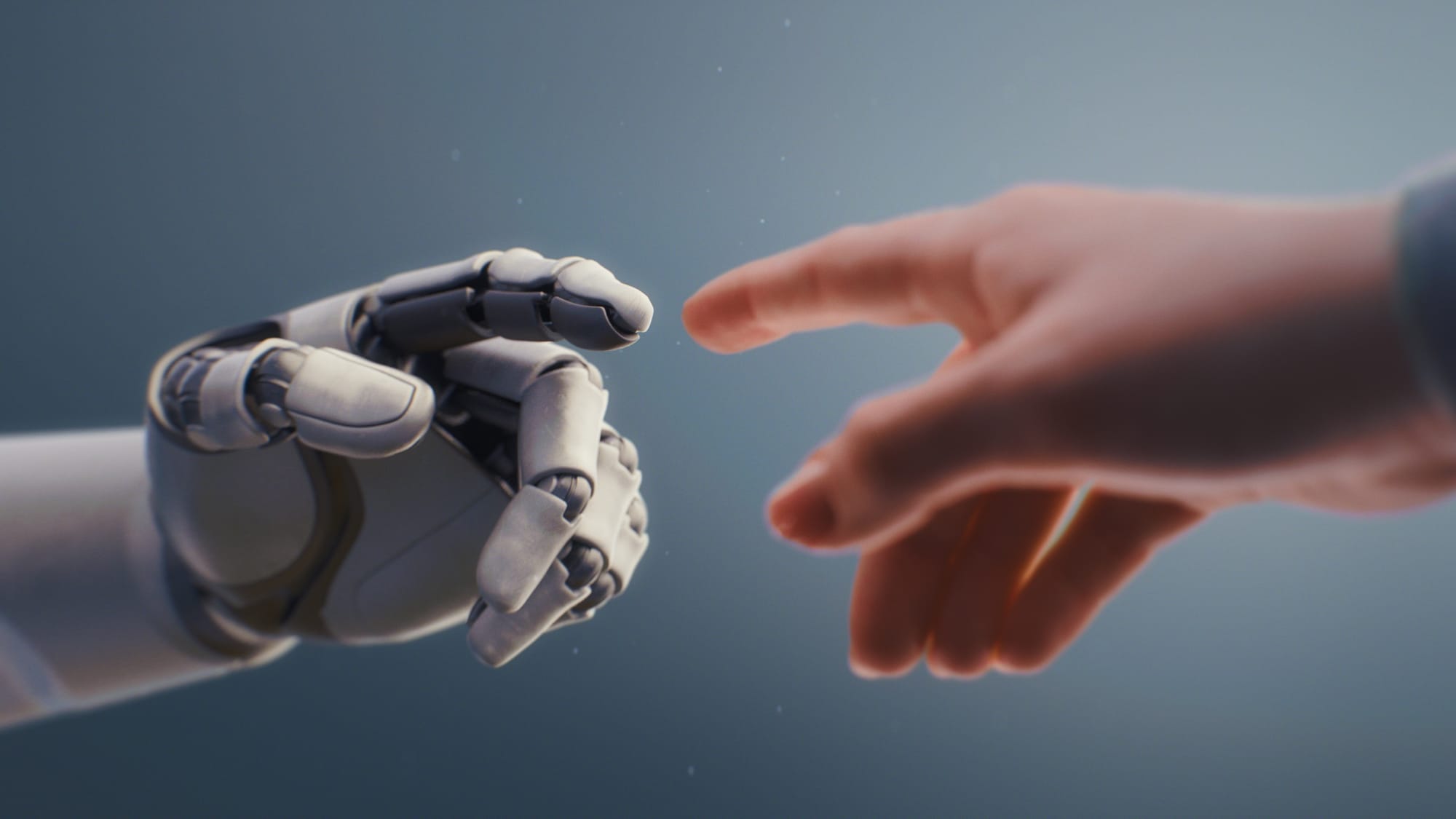
Artificial intelligence is entering a new era. Over the past decade, remarkable advances in foundation models, computer vision and large language models have transformed the way machines process information. Yet intelligence confined to software is only the beginning. The next breakthrough will emerge when intelligent systems are capable of understanding, interacting with and operating safely within the physical world
At Geheros Matrix, we believe the future of automation will not be defined by individual machines, but by interconnected intelligent systems capable of perception, reasoning, learning and autonomous execution. Humanoid robots, autonomous drones and intelligent industrial platforms will gradually evolve into collaborative ecosystems that continuously exchange information, optimize decisions and adapt to dynamic environments with minimal human intervention
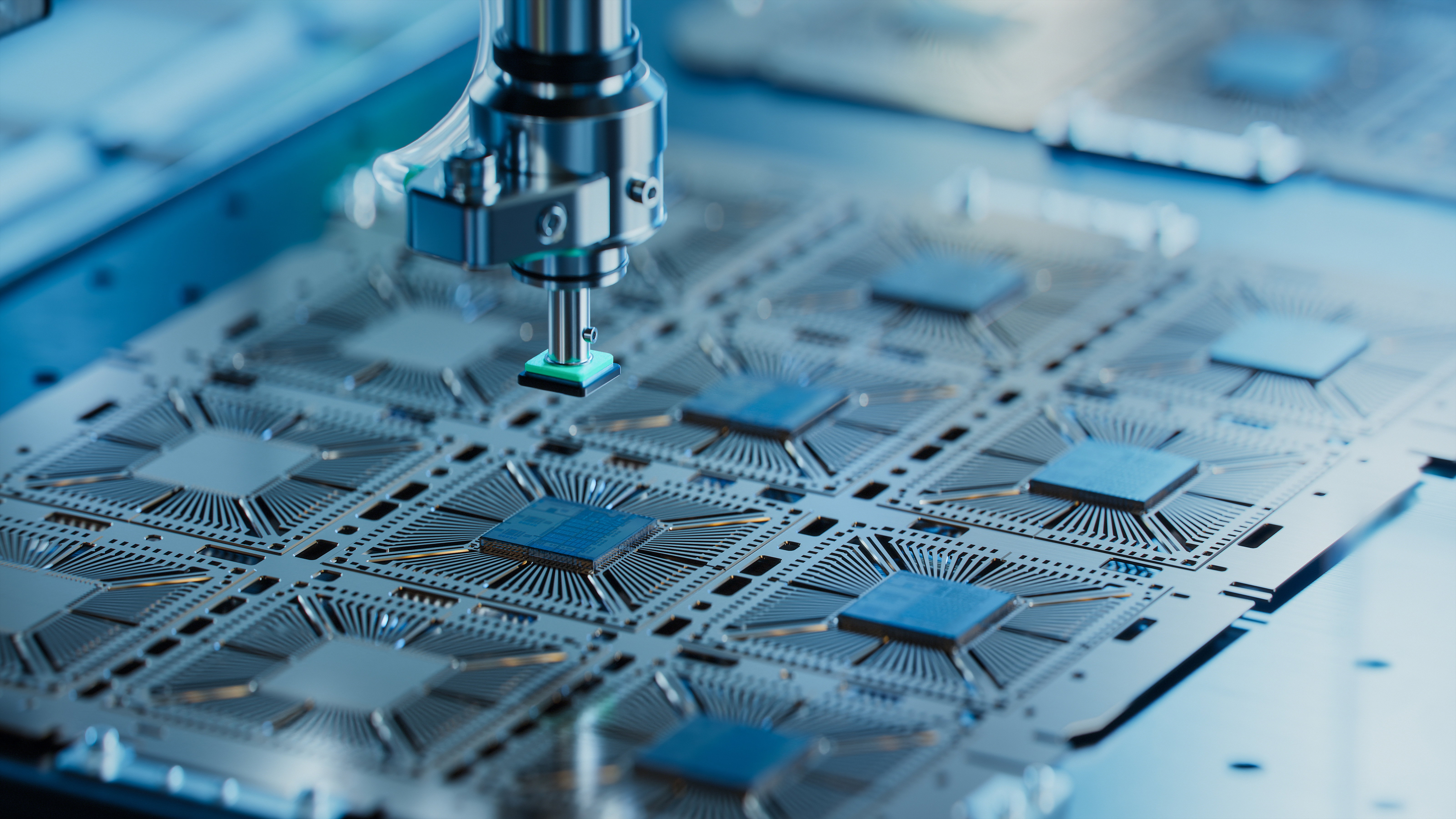
Building this future requires far more than integrating existing technologies. True intelligent automation depends on the convergence of multiple disciplines, including Artificial Intelligence, Embodied AI, Physical AI, Computer Vision, Sensor Fusion, Motion Planning, Autonomous Navigation, Reinforcement Learning, Edge Computing and Distributed Robotics. Each technology solves only part of the problem. Only through deep integration can intelligent machines move beyond automation and begin demonstrating genuine adaptive behavior
One of the greatest challenges in robotics is enabling machines to understand complex environments the way humans naturally do. A robot must not only recognize objects, but understand spatial relationships, predict motion, interpret uncertainty and make safe decisions in real time. This requires continuous perception through multiple sensors including RGB cameras, LiDAR, depth cameras, radar, IMU and force feedback systems. By combining these data streams through advanced sensor fusion and AI reasoning, autonomous systems gain a richer understanding of the physical world and respond with greater precision and reliability
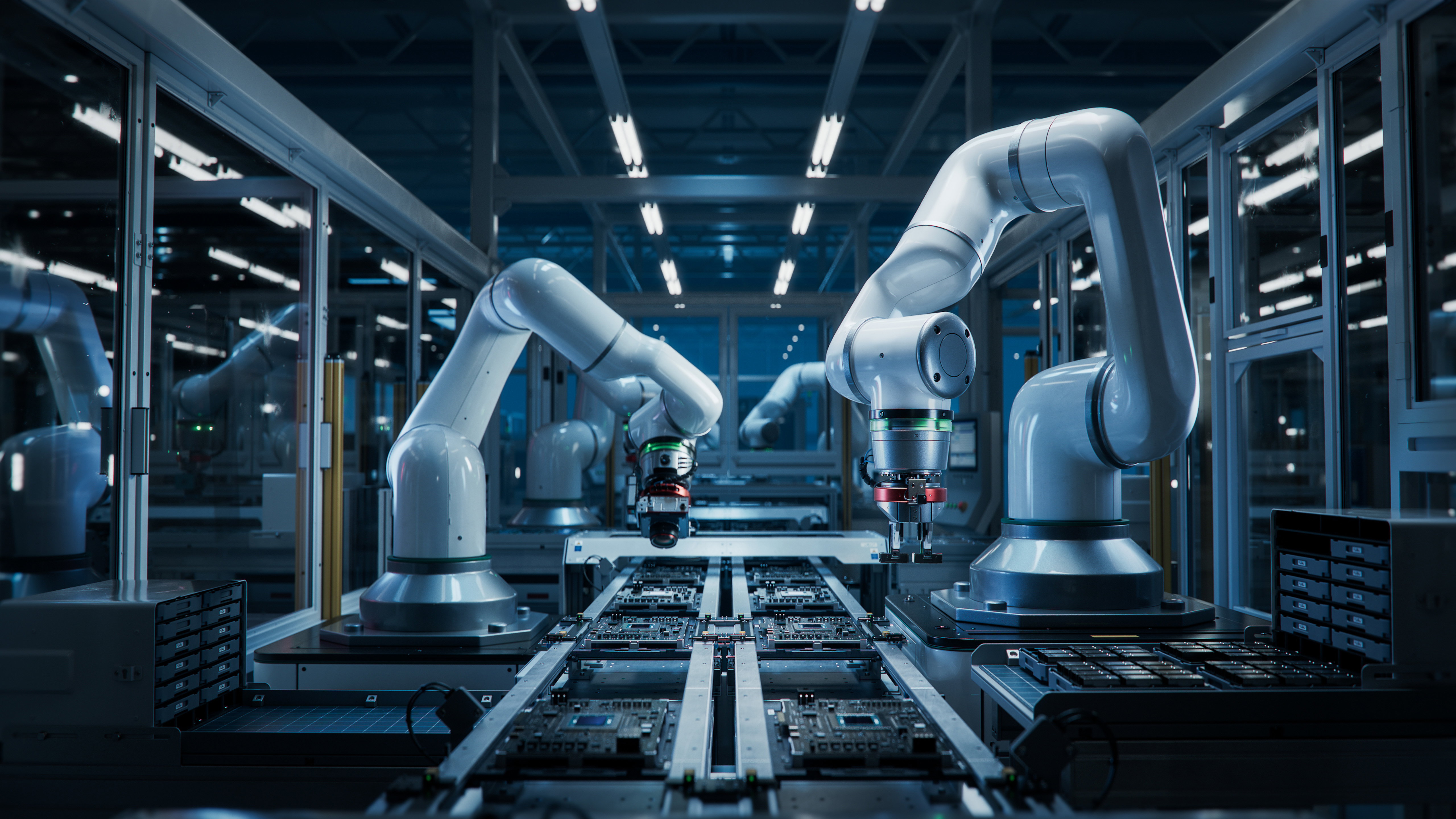
We believe the future of robotics will increasingly rely on World Models and multimodal intelligence. Rather than reacting only to immediate sensor inputs, intelligent machines must learn to predict environmental changes, simulate possible outcomes and plan actions before movement occurs. This shift from reactive automation to predictive intelligence represents one of the most significant technological transitions in modern robotics
At the same time, cloud intelligence and edge intelligence will work together to create scalable autonomous systems. Complex model training, fleet optimization and knowledge sharing will continue to evolve in the cloud, while real time perception, motion control and safety critical decision making must remain at the edge. This cloud edge architecture enables autonomous systems to continuously learn without sacrificing responsiveness or operational safety
Looking ahead, we do not view humanoid robots and autonomous drones as independent products. Instead, they are complementary components of a unified intelligent ecosystem. Humanoid robots provide dexterous interaction with physical environments, while drones extend perception into the air, enabling rapid inspection, mapping and situational awareness. Together, these intelligent platforms create a collaborative network capable of solving increasingly sophisticated tasks across manufacturing, logistics, healthcare, infrastructure, emergency response, energy and future smart cities
Innovation at Geheros Matrix is guided by a long term engineering philosophy rather than short term technological trends. We invest in core technologies that will define the next decade of intelligent automation, including autonomous perception, embodied intelligence, distributed robotic systems, digital twins, real time simulation and adaptive decision making. We believe sustainable innovation is achieved through continuous research, rigorous engineering and close collaboration between artificial intelligence and robotics
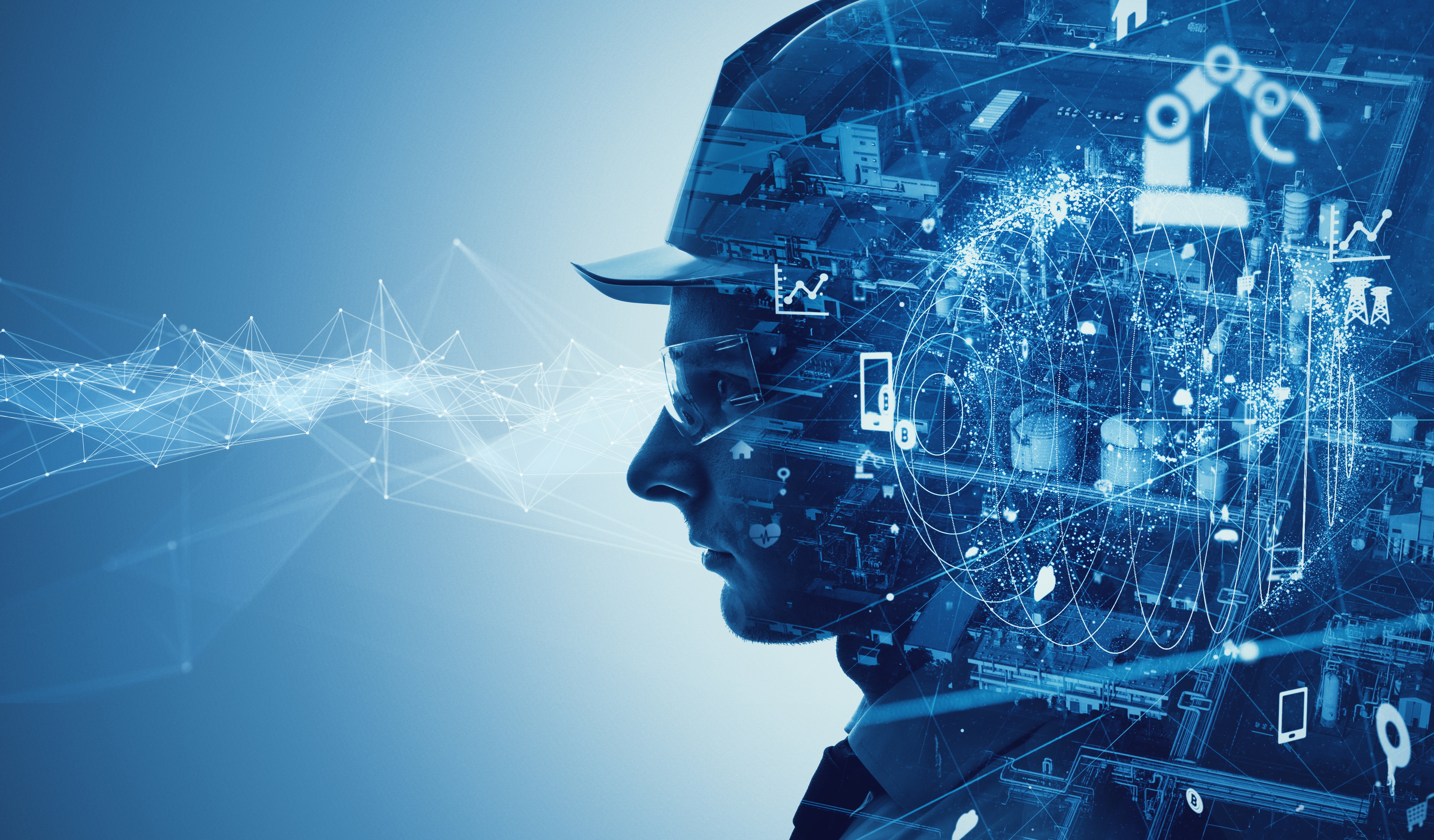
The coming decade will witness one of the largest transformations in industrial history. Intelligent machines will no longer function simply as automated tools; they will become collaborative partners capable of extending human capability, improving workplace safety and accelerating scientific and technological progress. As the boundaries between digital intelligence and physical intelligence continue to disappear, autonomous systems will become an essential part of everyday life and critical infrastructure around the world
At Geheros Matrix, our mission is not only to build advanced robots or autonomous systems, but to establish the technological foundations of the next intelligent era. We are committed to developing technologies that are reliable, scalable and designed for real world impact, while maintaining the highest standards of engineering excellence and